 Atrial fibrillation is the most common arrhythmia and environmental conditions are one of its risk factors. With the ever-increasing burden of air pollution and the concomitant rise in atrial fibrillation cases, understanding and addressing this nexus holds significant implications for both clinical management and public health interventions. The aim of the study was to assess the relationship between air pollution and the occurrence of atrial fibrillation episodes.
What are the main findings of our work?
Air pollution, especially PM2.5 and NO2, acts as a triggering factor and is associated with acute atrial fibrillation incidents. The greater increase in acute atrial fibrillation episodes at pollutant concentrations below the WHO norms suggests that there is no safe level of pollution and any reduction in exposure, even at low levels, is crucial for effective cardiac prevention.
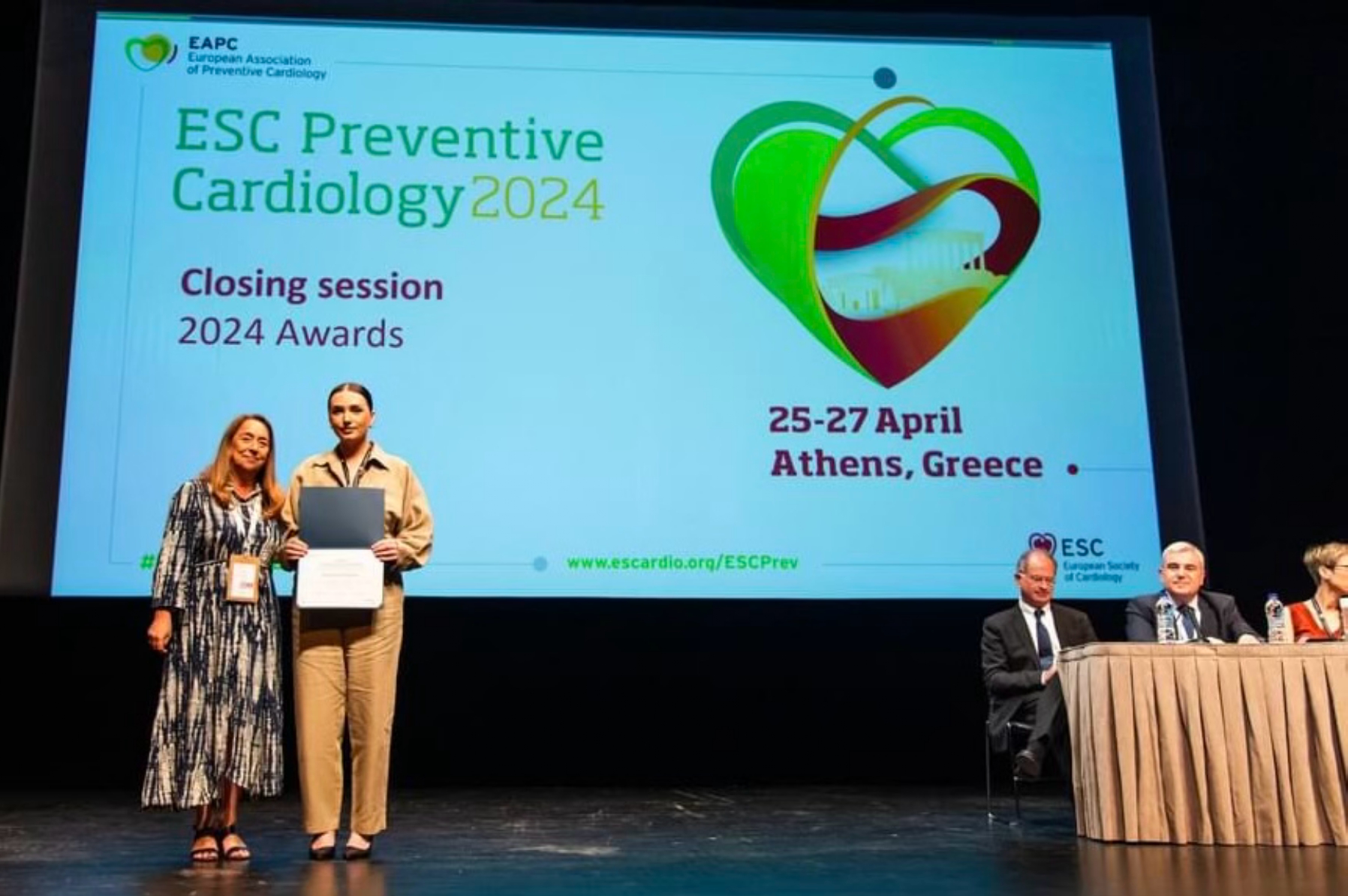
This research received the highest recognition from the judges out of several hundred submitted to the conference.
The results were presented at the ESC Preventive Cardiology Congress 2024 in Athens, Greece.